In boxing, the corner looks after the fighter between rounds. Water, a towel, a word in the ear and someone ready to throw in the towel if it has gone too far. The fighter does the fighting. The corner keeps them safe enough to enjoy it.
Sports betting has lost its corner. Nobody set out to lose it. Over twenty years, sensible decisions made for good reasons added up to a product that pushes too hard, shouts too loudly and protects fans mostly with rules and pop-ups.
The usual question is how to protect a customer inside a betting product. The better question is what the product would look like if it were built around the fan's relationship with their sport, with betting as an optional part of it.
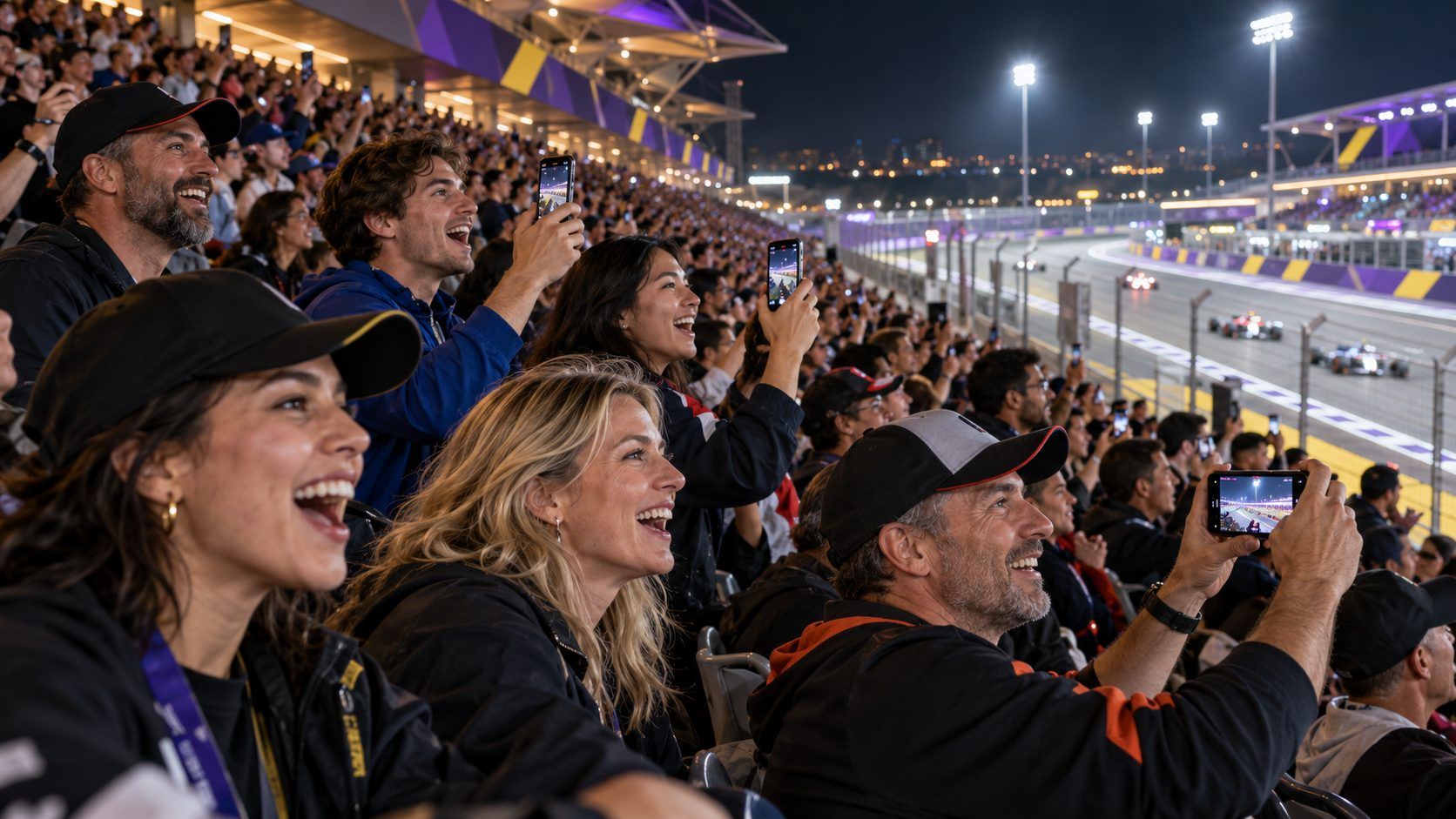
My test for any answer is simple. A fan should be able to stop betting and keep the sport.
Fewer customers, thinner margins
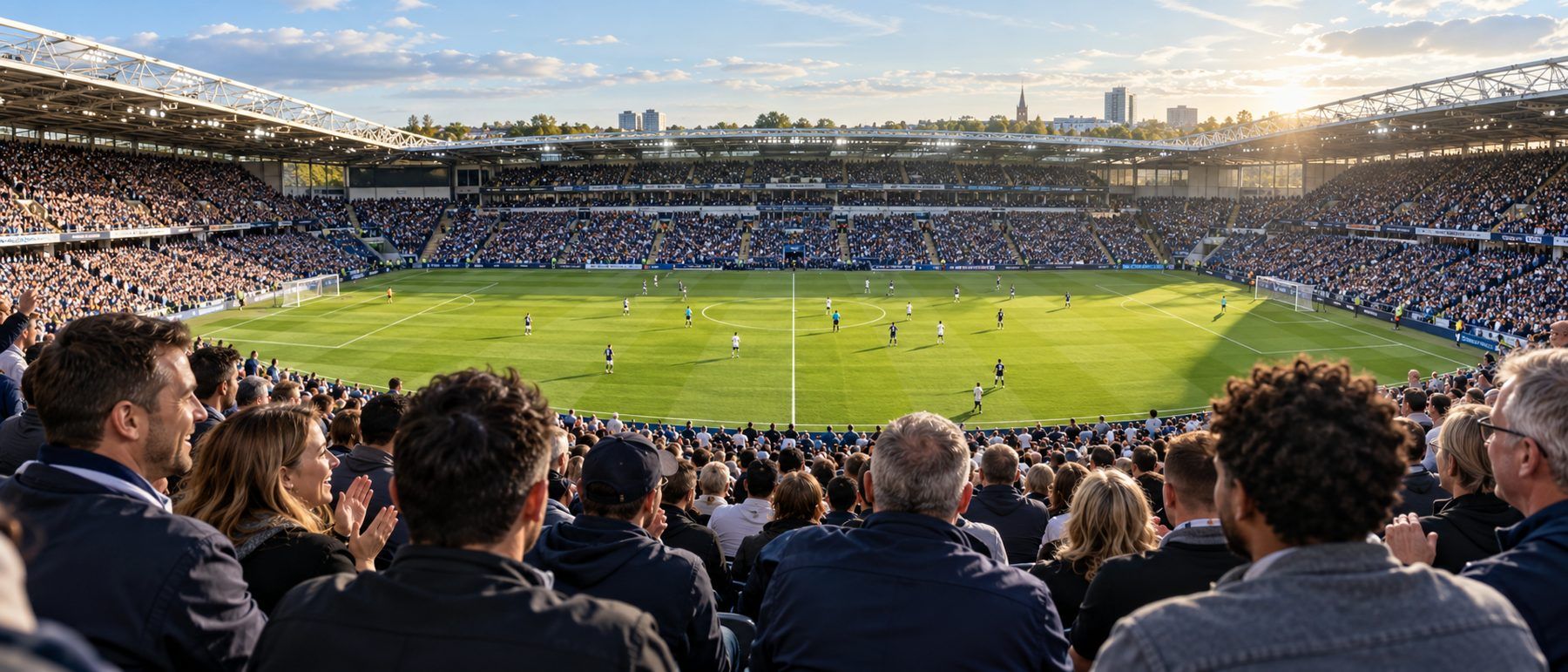
Start with the customer. Most sports fans do not bet: only 24% of British sports fans had bet online in the past year.1
Now the bookmaker. Every bookmaker sells the same match at much the same price, so a straight bet earns little. A multiple bet, a parlay in America or an acca here, earns a lot. In New Jersey in 2025, parlays were a third of the money staked but almost two thirds of what bookmakers kept: they held 19.2% against about 5% on everything else.2 And new customers are hard to find, because the product puts off people who have never bet.3
So a listed bookmaker that has to grow works harder on the customers it already has: more offers, more legs on the acca and a casino at the end of the funnel. In Britain online casino now brings in £5.7 billion a year, more than twice online betting's £2.4 billion.4
The money is concentrated too. At seven British gambling companies in 2018 and 2019, the 10% of accounts that staked the most produced 79% of the revenue, and betting on its own was no different.5 Spending a lot is not the same as harm, and the data is several years old. But a business that earns most of its money from its biggest customers will always struggle to tell them to slow down.
I have run one of these businesses, and nobody in the building is a villain. The job is to grow profit, and that is where the profit is. This is a problem of incentives, not character.
The taxman's share
Then add tax. Britain has raised it again and again, and the biggest rises are now. Remote gaming duty, which falls mainly on online casino, went from 21% to 40% in April 2026. Online sports betting goes to 25% next April, with bets on UK horseracing left out.6
The rules tightened too, and most of them were right: a British licence for everyone in 2014, no credit cards in 2020, no cancelling a withdrawal to bet the money in 2021 and, in 2025, stake limits on slots and a prompt to set a limit.12, 13, 14, 15, 16 Good design is no substitute for good regulation.
But together they pull in opposite directions. One hand takes more of the margin. The other narrows what the product may do. Squeezed from both sides, a business thins the product, chases revenue wherever it still can and lives at the edge of the rules rather than in their spirit. The rules are met, and the fan still loses out.
Betting has to shout
Then there is the noise. University of Bristol researchers count the gambling messages on each Premier League opening weekend: 10,999 in 2023 and 29,145 in 2024.17, 18 This year, the first season with no gambling brand on the front of a shirt, they still counted 15,571 appearances. Branding on sleeves and training kit rose 362%, and the shirt-front ban helped cut messages during live matches by just 10.5%.19
Before the ban, 11 of the 20 clubs wore a gambling brand on the front,20 and the government estimates that about 40% of Premier League clubs had deals with gambling companies not licensed in Britain.21 A fan in the stand could be wearing an advert for a company they could not legally use. The shirt was never for them.
Italy, Spain, Belgium and the Netherlands have banned most of this.22, 23, 24, 25 Bans turn the volume down, and that matters. They do not change the reason for the noise: betting does not live in the sport, so it has to shout to pull fans away from the match.
Brazil: all of it at once
Brazil shows what happens when all of this runs at full speed. It licensed online betting in January 2025 under strict rules, at about $5.8 million (R$30 million) a licence. In its first year the industry kept about $7 billion (R$37 billion) and paid about $1.9 billion (R$10 billion) in tax.26, 27
Then the public saw the other side. The Finance Minister estimated that Brazilians were sending more than $11.5 billion (R$60 billion) a year to licensed betting companies, and there had been more than 1.3 million self-exclusion requests.28 A study the government cited put the yearly social cost of online betting and gambling at about $7.5 billion (R$38.8 billion), most of it in health.29 It is a modelled estimate, not a bill to set against the tax. But no tax receipt could answer it.
On 25 September 2026, twenty months in, the government banned fixed-odds betting by provisional measure. Sites went dark on 6 October and licences were cancelled with no refund.28 Congress still has to make the ban permanent and it faces a Supreme Court challenge, but it is in force.30, 31
A market can be licensed, taxed and compliant and still lose the public's consent. Brazil did not lack rules. It lacked a product built for the fan.
Nobody planned this
Put it together. Fewer new customers, so the ones you have get worked harder. Thinner margins, so the product drifts towards parlays and casino. More tax, so there is less room for anything else. More rules, so the business lives at their edge. More advertising, because betting sits outside the sport and has to drag fans towards it. Every step made sense to someone. Together they built a product fans need protecting from, and the protection is more rules and more pop-ups.
It is time to try something that is not another rule.
A fan should be able to stop betting and keep the sport.The promise
Put betting back in the sport
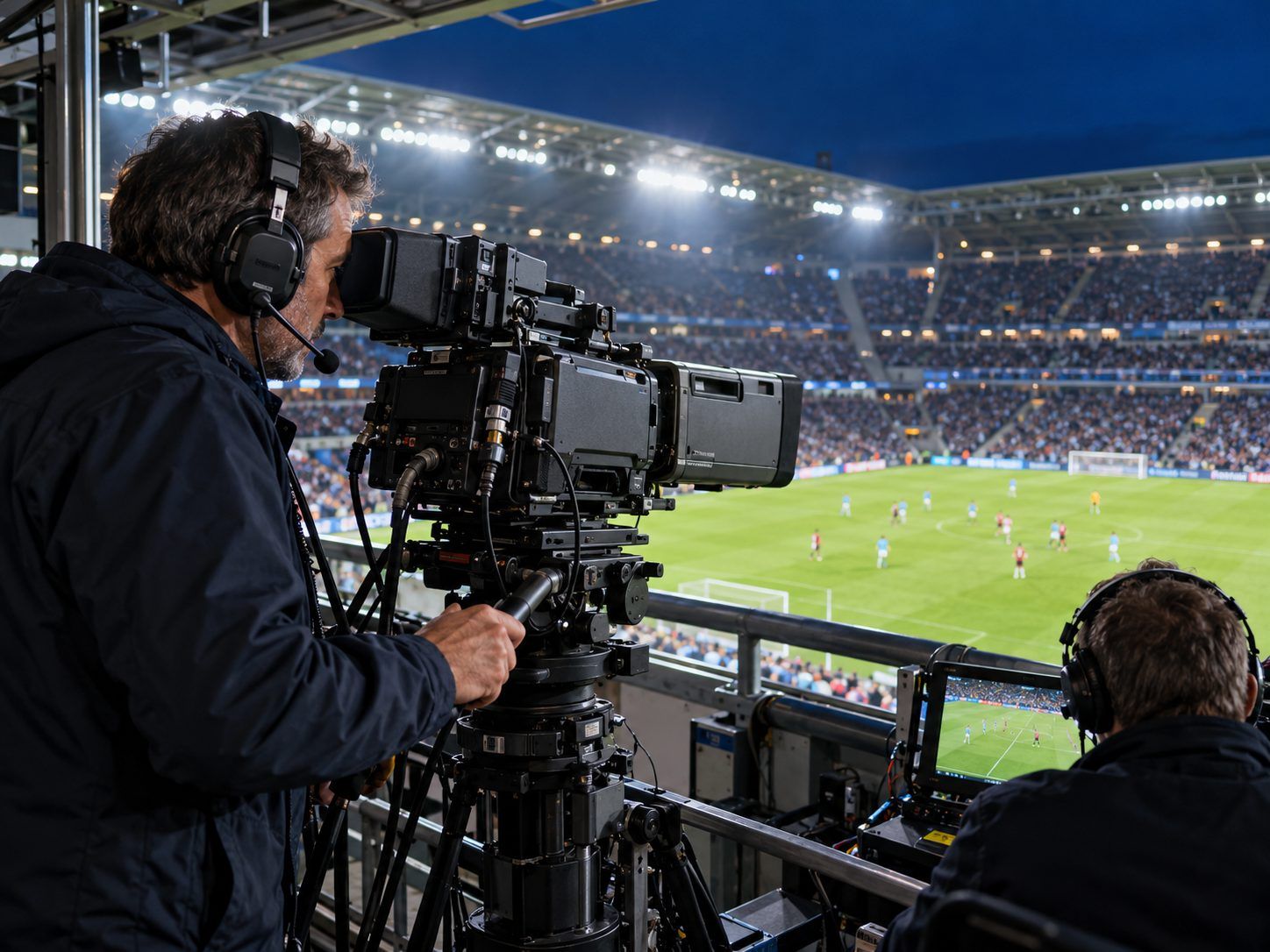
A sport or a media brand has a different job from a bookmaker. It earns from the whole relationship: the subscription, the ticket, the sponsor, the time spent in its app. It has a duty of care to its audience, and betting is a supplement, valuable for what a bet does to attention. In a Nielsen study of the NFL, fans who bet were a quarter of the audience but watched nearly half of all the minutes.32 That shows an association, not a cause, and in my experience the size of the bet barely matters. A fan with a pound on the match watches it like a fan with a hundred on it.
That changes the time horizon. A business that lives on this week's bets is always tempted to mine its customers. A sport has to farm them, because it needs the same fans for thirty seasons. Its name is on the app, and a fan who has a bad night remembers whose app it was.
Two hard questions
That is the opportunity, not a free pass. Any sport should answer two questions before it puts a betting button near the match.
The first is about money. A sport paid a share of betting revenue has a reason to want more betting too. Pay it on volume and judge it only on revenue, and you have moved the problem without changing it.
The second is about the fan who does not bet. The closer betting sits to the match, the easier it is to make a bet feel like part of being a fan. So a fan must be able to follow their sport without ever being nudged to bet, and under-18s should not see betting at all. Those who bet should find it clear, controlled and protected. Those who don't should find nothing missing. And someone who stops must keep the sport.
So the difference cannot be left to good intentions. It has to be designed, written into the deal and measured.
Designed: what the fan sees
Protection is easiest to judge at four moments, in a product built for the next bet and in one built for the next season.
Before the bet
Saturday, 2.55pm
Built for the next bet
One more leg on the acca, a boost to make it look better and a clock counting down to kick-off.
Built for the next season
Plain money: "£10 gets back £35 if your team wins. You could lose your £10." The week's limit is on the same screen.
After a loss
Saturday, 5pm
Built for the next bet
A reason to come back tonight: an offer, a boost, something else to try.
Built for the next season
The match report, the highlights and next week's fixtures. Nothing is triggered by the loss.
At the limit
Wednesday
Built for the next bet
A higher limit, or the fan's attention moved somewhere else.
Built for the next season
The prices go quiet until the limit resets. Lowering a limit takes effect at once. Raising one takes time.
Taking a break
The month after
Built for the next bet
The fan back the day the break ends.
Built for the next season
The news, the scores and the highlights stay. The prices and every betting message go. If they never bet again, they are still a fan.
Imagine someone who loses more than they meant to on a Saturday afternoon. On Sunday they should be able to read the team news without being shown a bigger offer. That moment says more about protection than a page of warnings.
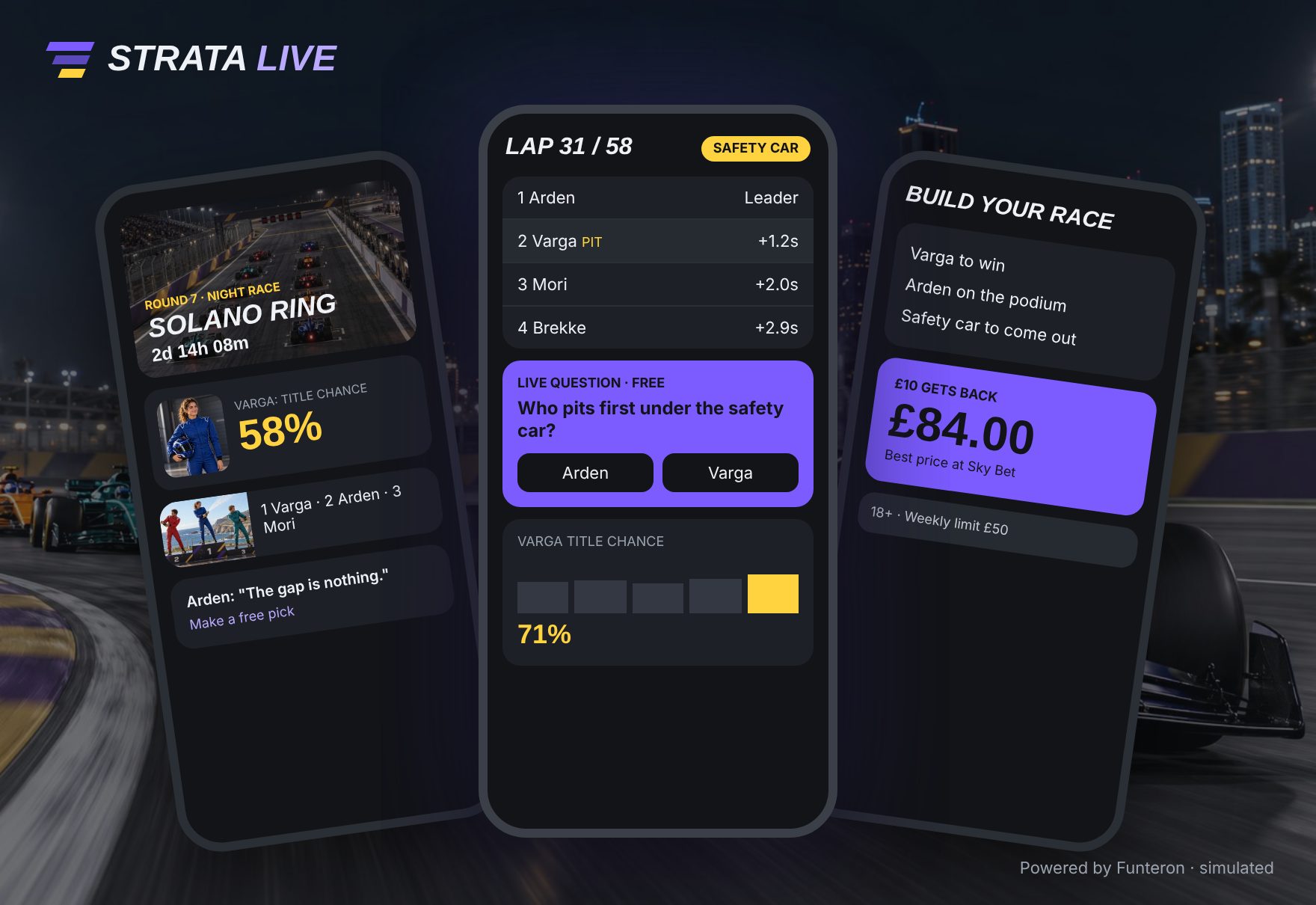
None of this needs a new law, and the evidence backs design. When the Behavioural Insights Team worked with bet365, removing the high preset amounts almost halved the deposit limits people chose, though few set one at all.33 Bettors who saw the sums behind a welcome offer found it much less attractive.34 Design changes decisions. Whether it reduces harm has to be shown in what people actually do.
Written into the deal: six standards
Some of this a sport can do on day one. Some needs the bookmakers to agree, and some needs integration and the rules of each market. Each standard says which.
1. The sport comes first
The scores, the news, the video and the community never depend on a bet. Under-18s never see betting.
What it takesA design choice
2. The money is plain
Before confirming, the fan sees the stake, what comes back if it wins and that the stake can be lost. Odds shown as a percentage say they include the bookmaker's margin.
What it takesA design choice
3. Messages are about the sport
Kick-off, the result, your prediction. Never "your free bet expires at midnight", and nothing sent because a fan lost, hit a limit or stopped.
What it takesA design choice for the sport's own messages. The bookmaker's agreement for theirs
4. The marketing switch
Every customer has an absolute right to refuse direct marketing. An account opened through the sport can start with that choice made, and honouring it can be part of the deal.35
What it takesThe fan's choice and the bookmaker's agreement
5. One limit across the sport
One limit covers every bookmaker account opened through the sport, though not accounts held elsewhere. Germany runs one across its licensed sites, through a national system.36
What it takesIntegration with each bookmaker, the fan's consent and the local rules
6. A break keeps the sport
A time-out, a limit or a self-exclusion switches off the prices and the betting messages, never the sport.
What it takesA design choice, working with each bookmaker's own tools
Measured: the long game scorecard
If betting in the sport really is different, it will show in the numbers. These are the measures to track, checked independently, because every commercial party, Funteron included, has incentives of its own.
| Measure | What good looks like |
|---|---|
| Fans who stop betting | They keep watching, reading and renewing like everyone else. |
| Where the revenue comes from | Spread across many fans, not 79% of it from the biggest 10%. |
| Limits | More fans set one, and most stay within it. |
| Bad nights | Fewer sessions where a fan loses far more than they usually do. |
| Opt-outs | A marketing opt-out holds with every bookmaker the sport works with. |
| Understanding | Fans can say what they stood to win and what they could lose. |
The second line is the sharpest test. If a sport's betting revenue looks like the industry's, the model has failed, whatever logo is on the app.
Play the long game
So here is my ask, to sports and media brands most of all. It is your name on the app. Set your standard for the fan before you agree the commercial split, ask for the marketing switch and find out what happens to someone after a bad night. Then ask the hard question: if a fan never bets again, do you still value them as much? If the answer is yes, write it into the design, the deal and the way you measure success.
To bookmakers: these fans come to you through the sport, so treat them as the sport's fans, not targets for everything else you sell. A trusted route to fans is worth more than one more promotion.
To regulators: keep the rules that matter, and judge the system by what changes for people. Count outcomes, not pop-ups.
I am not claiming this has been proven to reduce harm. These are design standards, to be tested independently against real outcomes. But twenty years of rules have brought us here, and fans deserve a corner again.
The corner does not exist to make the fighter throw more punches. It is there so they can come back for the next round, or walk away, safely.
Play the long game. Put the fan first.
Where Funteron fits
Funteron builds the betting layer inside sports and media apps, working with licensed bookmakers. It sets no odds, holds no funds and accepts no bets.
The standards in this paper are the ones it designs to. Some are day-one design choices. Others depend on bookmaker agreements, integration and each market's rules. Their effect has to be shown, not assumed, and Funteron expects to be held to them. funteron.com
About this paper: dollar figures use about R$5.2 to the dollar, the rate on 25 September 2026. Money sent to betting companies is not money lost. The standards are proposals to be tested, and the demo is simulated. Facts and rules were checked to 25 October 2026. 18+. Free support is available 24 hours a day from the National Gambling Helpline on 0808 8020 133.
Keith O'Loughlin is CEO of Funteron and former CEO of OpenBet. He chairs Christchurch Casino in New Zealand.